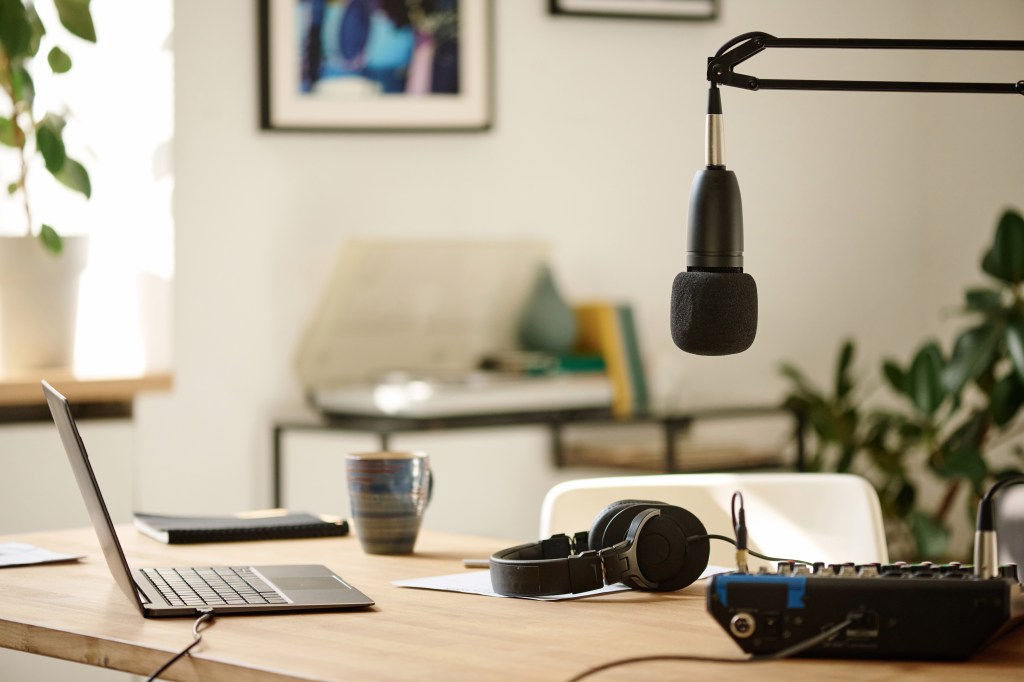
Are you interested in sharing your voice with the world? Whether you are an individual creator, or a small business looking to make more meaningful connections with your customers, podcasting is an excellent way to reach your audience. In fact, this year 546.7 million people will listen to podcasts and that number is expected to increase to over 650 million people in 2027. It may seem intimidating but getting started is easier than you might think. This guide will walk you through the basics of how to podcast, from planning your show to publishing your first episode.
What is Podcasting?
Before diving into the how-to, let’s define what podcasting is. A podcast is a digital audio file that can be downloaded or streamed online. It’s like on-demand radio that listeners can enjoy anytime, anywhere. Podcasts cover a wide range of topics, from news and education to entertainment and storytelling.
Step-by-Step Guide on How to Podcast
1. Plan Your Podcast
The first step in learning how to podcast is to plan your show:
- Choose a topic you’re passionate about
- Define your target audience
- Decide on a format (solo, interview, co-hosted, etc.)
- Create a content calendar (or use a publisher like Captivate that includes one in their service)
2. Gather Essential Equipment
To start podcasting, you’ll need some basic equipment:
- A good quality microphone
- Headphones
- A computer with recording and editing software
- Optional: Audio interface, pop filter, and boom arm
3. Set Up Your Recording Space
Creating a suitable recording environment is crucial:
- Find a quiet room with minimal echo
- Use sound-absorbing materials if necessary
- Ensure you have a stable internet connection for remote interviews
4. Choose Your Recording and Editing Software
There are many options available, both free and paid:
- Audacity (free)
- GarageBand (free for Mac)
- Adobe Audition (paid)
- Riverside (paid)
5. Record Your First Episode
Now it’s time to put your plan into action:
- Test your equipment
- Create an outline or script
- Record your episode
- Don’t worry about perfection – you’ll improve with practice
6. Edit Your Podcast
After recording, it’s time to polish your episode:
- Remove background noise and mistakes
- Add intro and outro music
- Adjust volume levels
- Export your file as an MP3
7. Choose a Podcast Hosting Platform
To make your podcast available online, you’ll need a hosting service:
- Popular options include Captivate, Buzzsprout, and Anchor
- These platforms store your audio files and generate an RSS feed
8. Submit Your Podcast to Directories
To reach more listeners, submit your podcast to popular directories:
- Apple Podcasts
- Spotify
- Google Podcasts
- Stitcher
9. Promote Your Podcast
Once your podcast is live, it’s time to spread the word:
- Share on social media
- Create a website or blog for your show
- Collaborate with other podcasters
- Engage with your listeners
Conclusion
Learning how to podcast may seem daunting at first, but with this step-by-step guide, you’re well on your way to sharing your voice with the world. Remember, the key to successful podcasting is consistency and passion. Start with the basics, and as you grow more comfortable, you can invest in better equipment and explore advanced techniques.
Are you ready to start your podcasting journey?
 Stature Ltd.